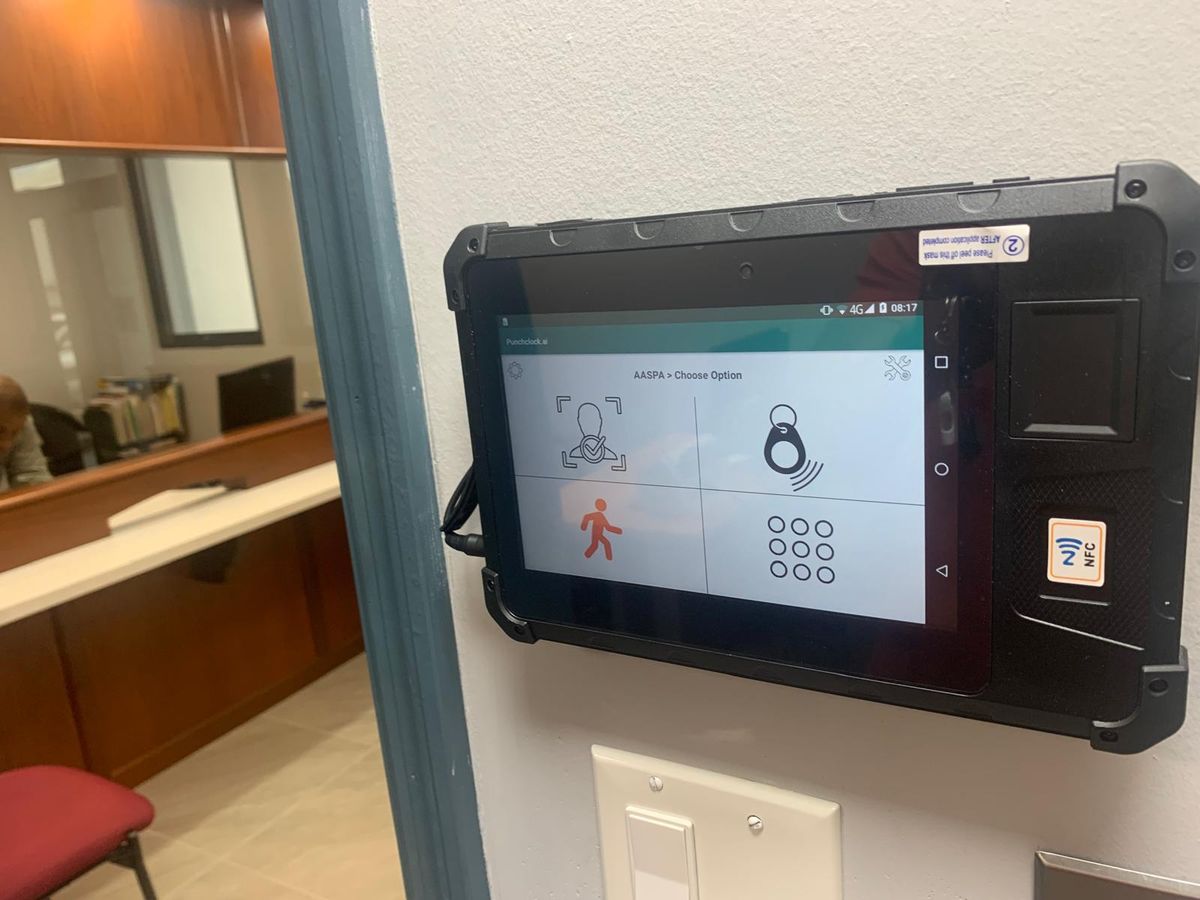
Built for places where a laptop login does not work.
Dusty, wet, dark, crowded or remote. If your staff wear gloves and masks, the clock still recognises them. Nine sectors, one system, and for each one the day as it is today and the day with PunchClock.
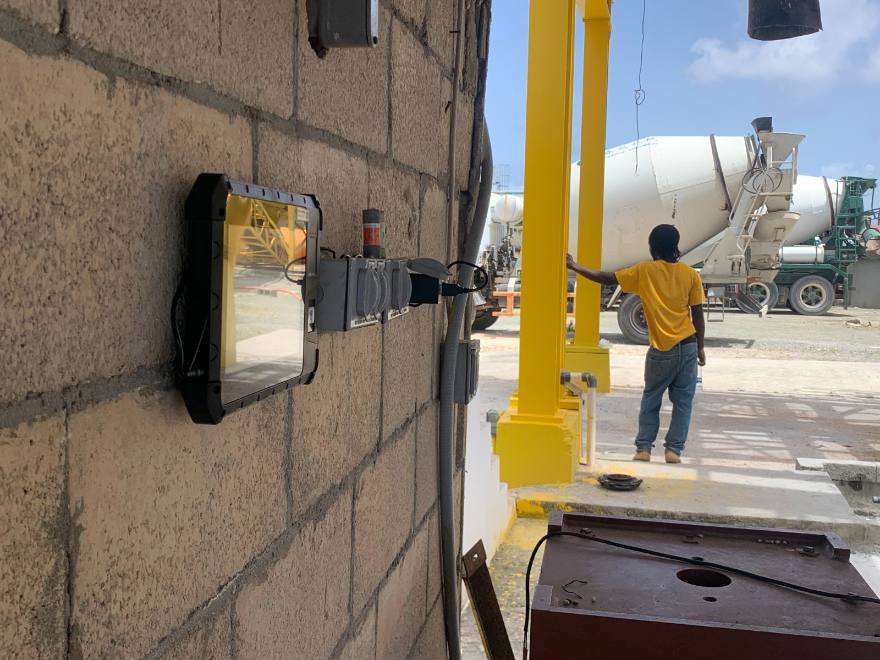
The yard opens at six. The site is twenty minutes away.
Half the crew report to the yard, the other half go straight to the job. Rain stops work at ten, the pour runs late on Thursday, and the subcontractor’s men are on a different rate. By Friday the foreman is reconstructing the week from memory and a wet notebook.
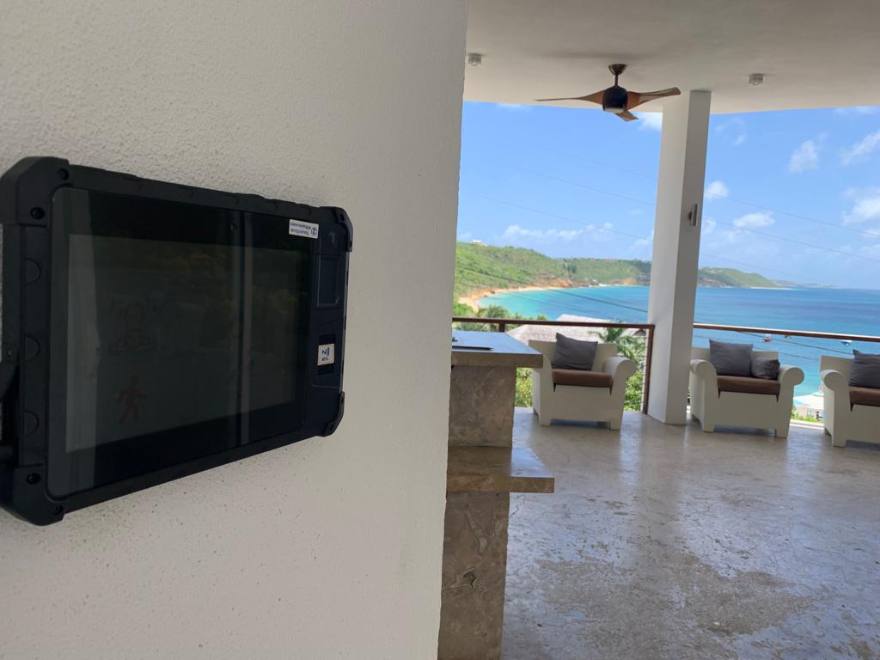
Two hundred rooms, six departments, one payroll.
Housekeeping clocks in at the back of house, the kitchen at the service door, grounds at the shed, front desk at reception. Service charge has to be split fairly across all of them from the hours they actually worked, and a guest complaint about Tuesday needs to know who was on the floor at four.
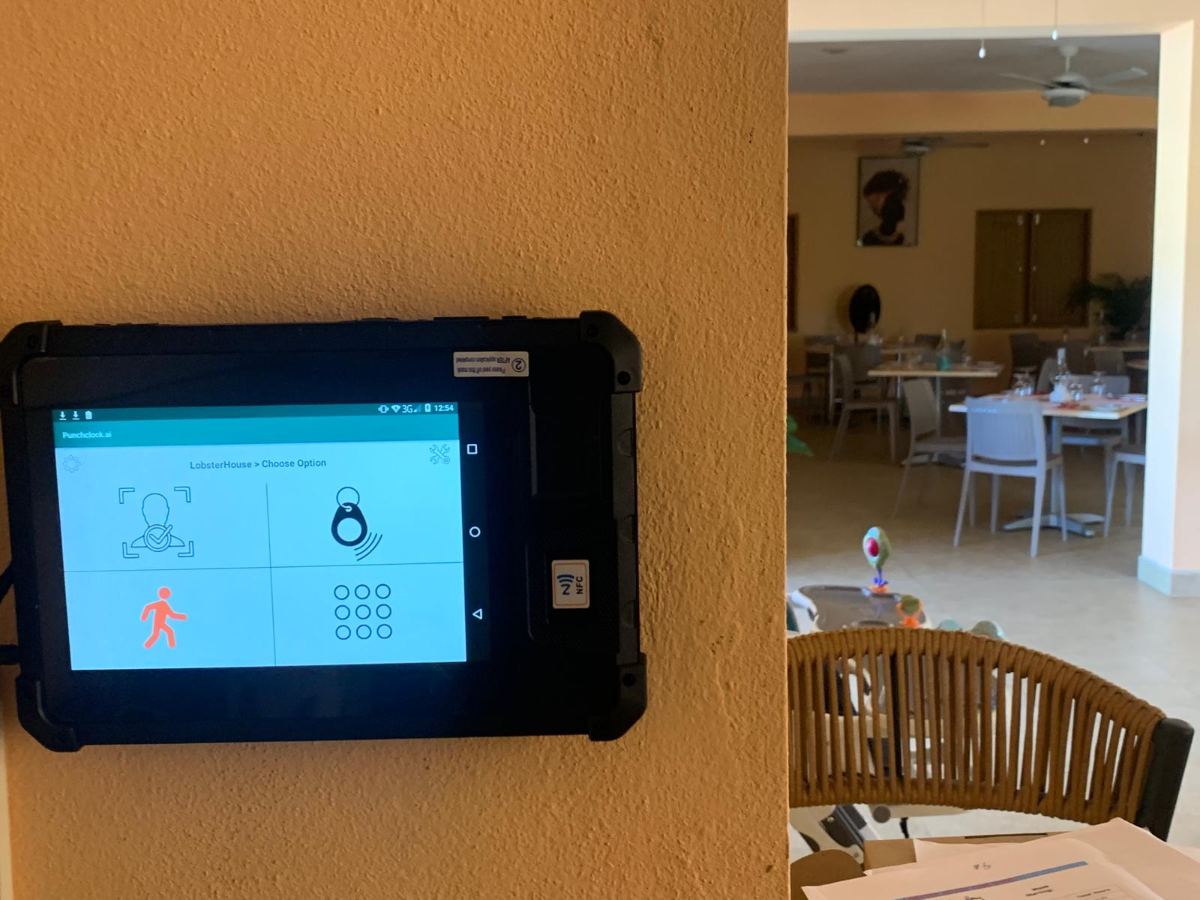
Split shifts, part-timers, and nobody has a free hand.
Lunch service ends at three, dinner crew arrives at five, and three of them worked both. Hands are full, aprons are wet, and the manager is on the pass. A card at the back door gets lost in a week; a sign-in sheet gets sauce on it.
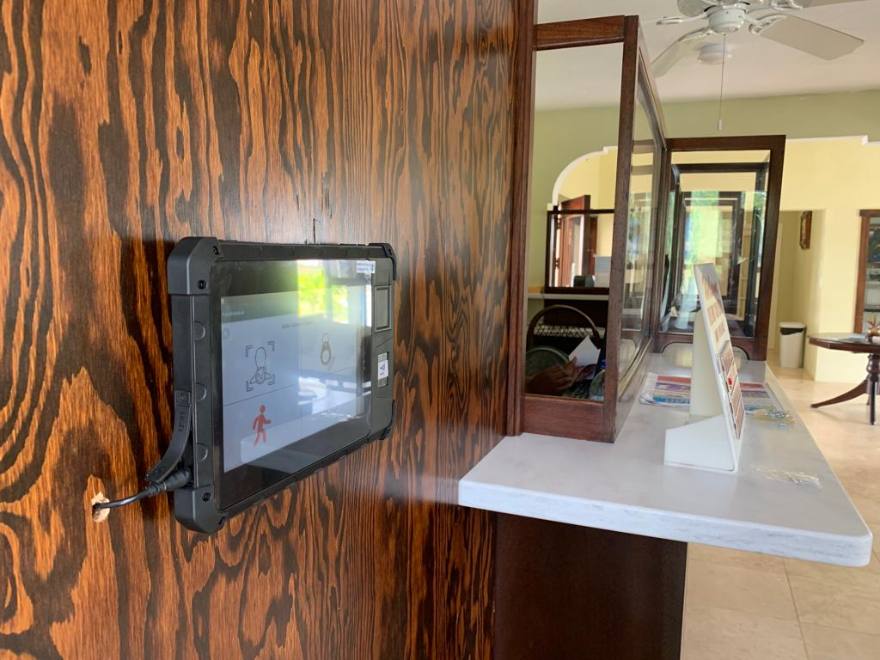
The ward has a clock on the wall. The home visit has a doorstep.
Nurses and care assistants clock in on the ward. Home carers see six clients a day and never pass the office. Agencies bill clients by the visit, so each visit needs a start, an end and an address, and the carer’s pay depends on the same record.
Three stores, one warehouse, a roster that changes every week.
Part-timers, students on weekends, a seasonal rush in December. Each store manager keeps their own hours, head office consolidates on a Sunday night, and a late opening on Saturday is a complaint before it is a record.
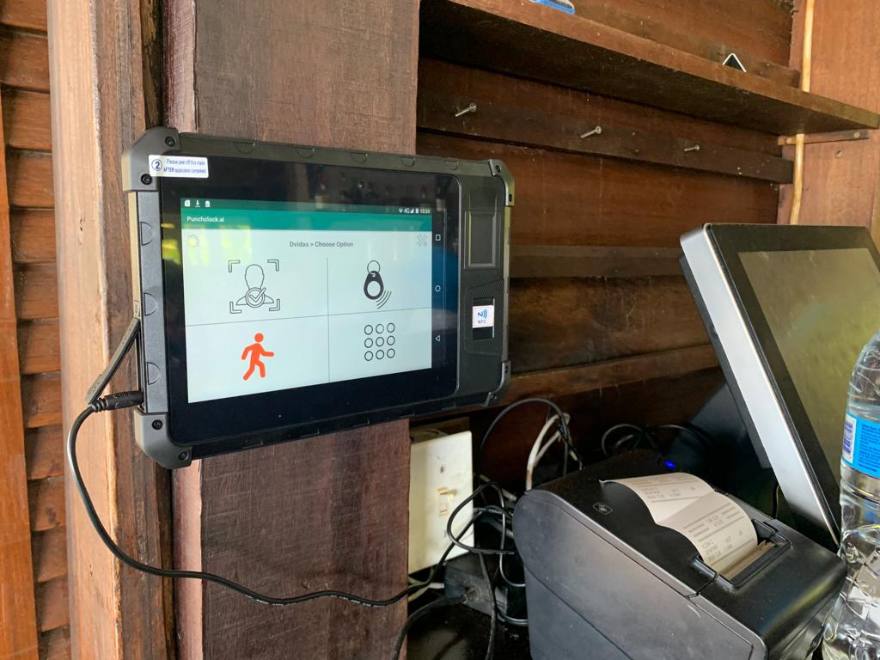
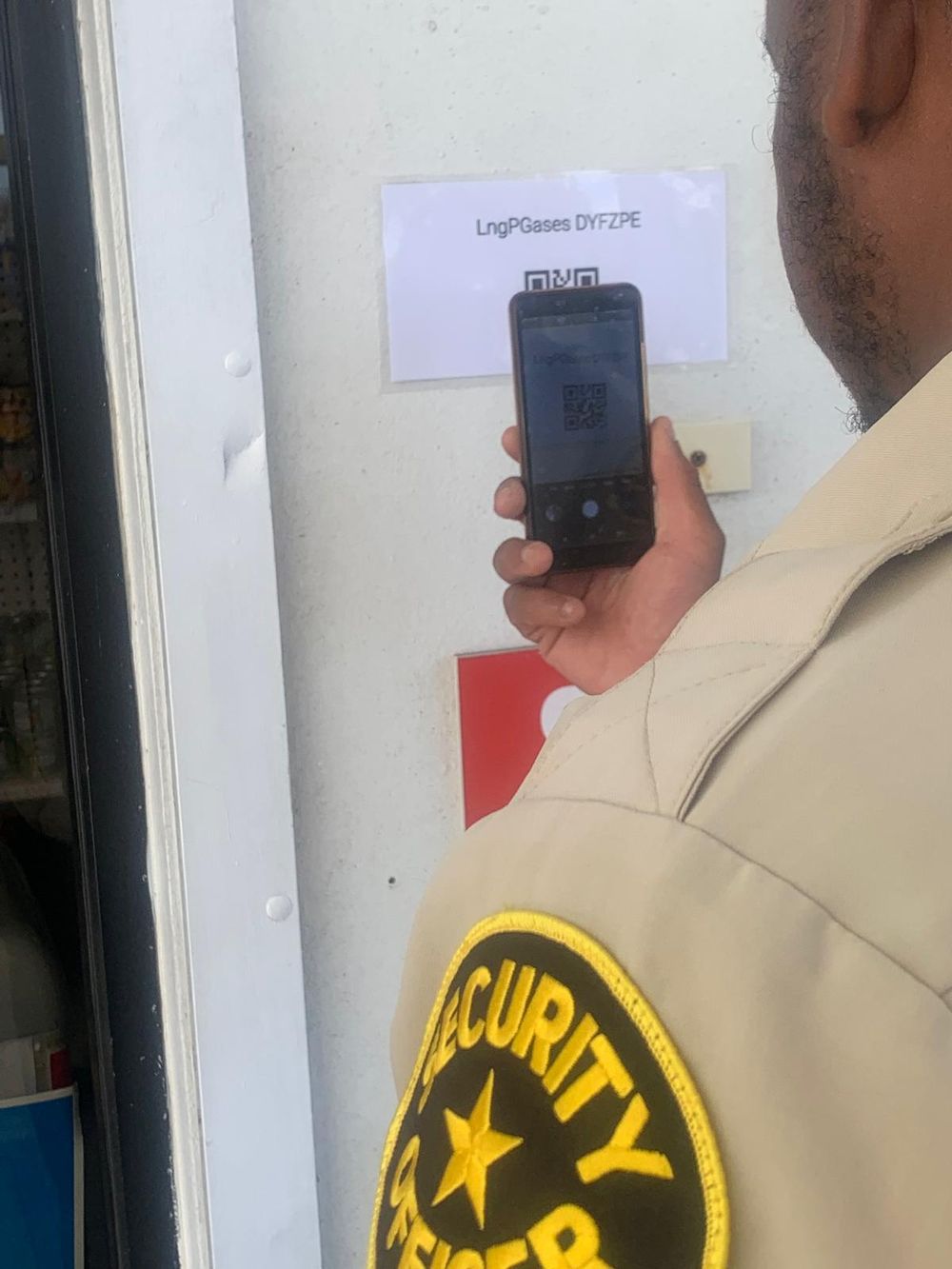
Guards at posts you do not visit every day.
Twelve posts across the island, some with a gate and some with a chair. A guard who clocks in from the car park is not guarding anything, and a client asking for last month’s coverage expects a list, not a promise.
Depot, port, truck. Three places, one shift.
Loaders start at the depot, drivers leave for the port, the customs clerk is at the wharf by seven. The Tuesday unload runs long and the overtime is real, but it only appears when the month closes.
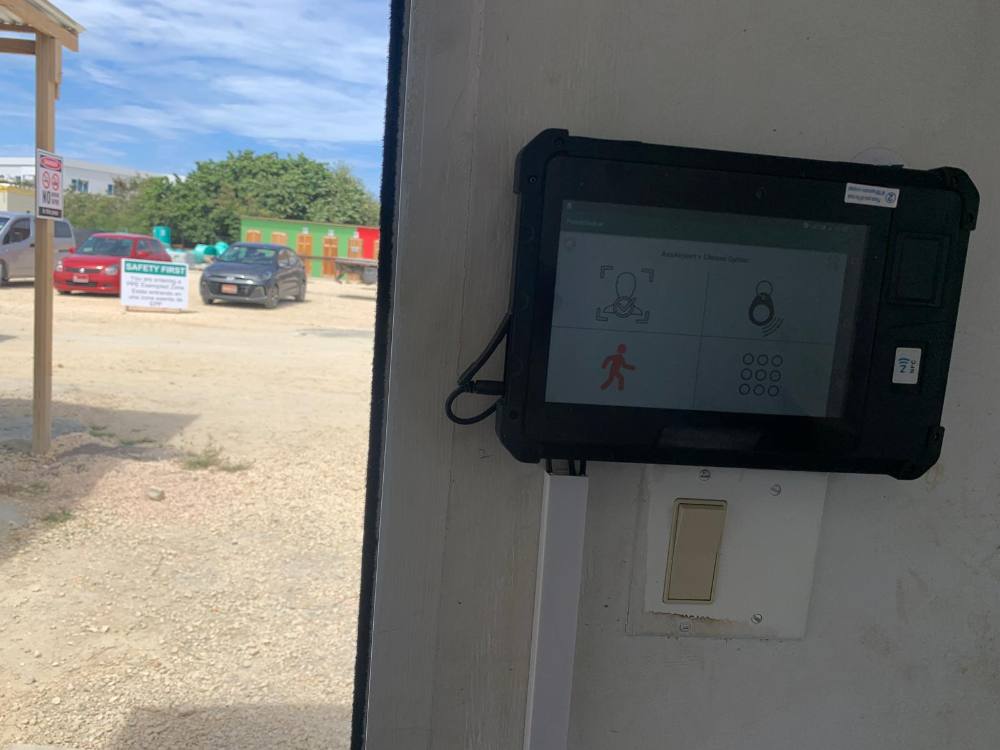
A timetable for the students, a roster for everyone else.
Teachers, assistants, canteen, caretakers and bus drivers all keep different hours on the same campus. Term-time contracts, cover for absence, and a board that wants attendance by site, not by anecdote.
Where the audit trail matters as much as the hours.
A branch, a back office and a call centre. Every edit to a timesheet needs a name and a reason, access has to stop at the department line, and the annual audit asks for the record, not the manager’s recollection.